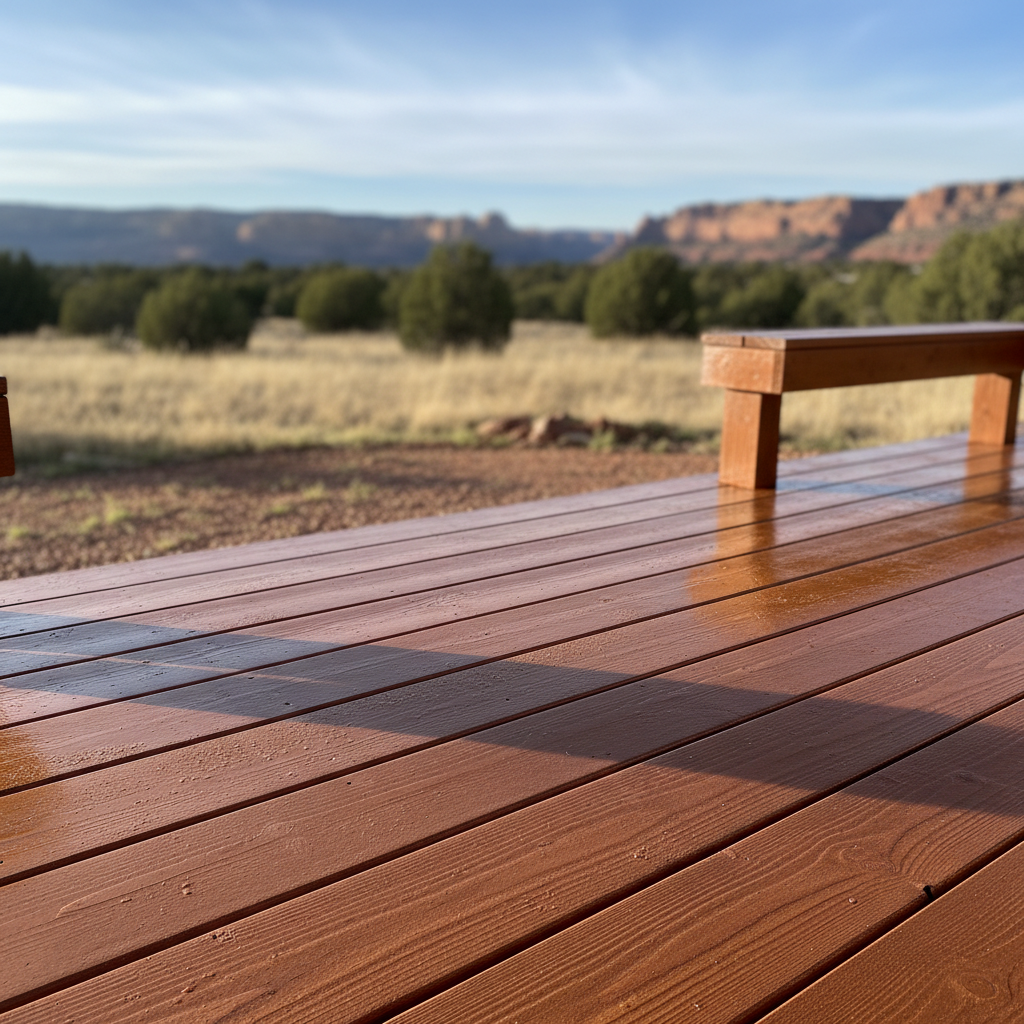
So, you've got a deck, and it's looking a little tired. Maybe the sun's bleached it out, or the winter snows have left their mark. You're probably wondering if you should paint it, stain it, or just leave it alone. It's a common dilemma for homeowners around here, and you've got questions. Let's get into the nitty-gritty of deck painting and staining, Pueblo style.
Should I paint or stain my deck? What's the real difference?
This is probably the first thing everyone asks. The short answer is, it depends on what you want and the condition of your deck. Stains penetrate the wood, highlighting its natural grain. They come in transparent, semi-transparent, and solid varieties. Transparent stains offer the least protection but show off the wood beautifully. Solid stains are almost like a thin paint – they cover the grain but still let some texture through.
Paint, on the other hand, sits on top of the wood. It forms a thick, opaque layer that completely hides the grain. It's generally more durable and offers better protection against UV rays and moisture, but it can also be more prone to peeling if not prepped right. If your deck is older, has some imperfections, or you want a completely new look, paint might be the way to go. If you love the look of natural wood, stain is your friend.
How often do I need to re-stain or re-paint my deck in Pueblo?
Our Colorado weather is no joke, right? The intense sun, dry air, and temperature swings really beat up exterior surfaces. For stains, you're usually looking at reapplication every 2-3 years for transparent or semi-transparent products. Solid stains might last 3-5 years. Paint can often go 5-10 years, sometimes even longer, especially if it's a good quality product and applied correctly.
But honestly, it's not a hard and fast rule. Keep an eye on it. If you see fading, peeling, or the wood starting to look dry and weathered, it's probably time. Don't wait until it's completely gone, because then you're doing more work to prep.
What kind of prep work is absolutely necessary before I start?
This is where most DIY deck projects go sideways. Proper prep is 80% of the job, maybe more. You can't just slap new product over old, peeling stuff. Here's the rundown:
- Clean it thoroughly: Power wash your deck to remove dirt, mildew, and loose old finish. Be careful with the pressure washer, though; too much pressure can damage the wood fibers.
- Strip if necessary: If you've got a lot of old, peeling paint or stain, you'll need a chemical stripper. This is messy but crucial for a smooth, even finish.
- Sand it smooth: Once clean and dry, sand any rough spots, splinters, or areas where the old finish was stubborn. A good orbital sander makes this much easier.
- Repair: Replace any rotten boards, tighten loose screws, and hammer down protruding nails.
- Let it dry: Give the deck at least 2-3 sunny, dry days to completely dry out after washing. If you seal in moisture, your new finish won't last.
Seriously, don't skimp on the prep. It's the difference between a finish that lasts and one that peels off in sheets after a year.
What's the best time of year to paint or stain a deck in Pueblo?
Spring and early fall are usually ideal around here. You want temperatures to be consistently between 50-85 degrees Fahrenheit, day and night, for a few days straight. Avoid direct, scorching sun when you're applying, as it can cause the product to dry too fast and not adhere properly. Our Pueblo summers can get pretty brutal, so aiming for a cooler, overcast day in July or August is better than trying to work in 95-degree direct sun.
Also, check the forecast. You need at least 24-48 hours of dry weather after application for the finish to cure properly. Don't start a big deck project if there's rain in the forecast for the next couple of days.
Are there specific products you recommend for our climate?
I've seen a lot of products come and go. For stains, I generally lean towards oil-based or hybrid (oil-modified water-based) products. They tend to penetrate better and hold up well to our dry climate. Brands like Sherwin-Williams SuperDeck, Benjamin Moore Arborcoat, or even some of the higher-end Cabot stains are usually reliable. For paints, a good quality exterior porch and floor enamel will give you the best durability. Look for products specifically designed for horizontal surfaces and high traffic.
The key is to use a high-quality product. Don't try to save a few bucks on a cheap stain or paint; you'll pay for it in re-application time and headaches later. Skyline Decks Pueblo always uses products we trust to stand up to the elements.
My deck is composite. Does it need painting or staining?
Generally, no. One of the big advantages of composite decking is that it's designed to be low maintenance. You shouldn't need to paint or stain it. If your composite deck is looking faded or dirty, a good cleaning with a composite deck cleaner and a soft brush or power washer (on a low setting!) is usually all it needs. Painting or staining composite can actually void its warranty and often leads to peeling because the material isn't designed to absorb or bond with those finishes.
Can I change the color of my deck significantly?
Yes, you can, but it's easier with paint or a solid stain. If you have a light-colored deck and want to go dark, paint or a solid stain will give you the most dramatic change and best coverage. Going from dark to light is trickier, especially with stains, because the old dark pigment can bleed through. You'd likely need to strip it completely and then use a solid stain or paint to get a true lighter color.
Just remember, darker colors absorb more heat, which can make your deck hotter underfoot during our sunny Pueblo days. Something to consider if your deck gets a lot of direct sun.
Is it worth hiring a professional, or can I DIY?
Look, I'm a contractor, so you might think I'd just say hire a pro. And yes, for a perfect, long-lasting finish, a professional will have the right equipment, experience, and knowledge of products. They'll also handle all that messy prep work.
However, if you're handy, have the time, and are willing to put in the effort on the prep, you absolutely can DIY. Just don't underestimate the amount of work involved, especially if your deck is large or in rough shape. A lot of folks start a deck project thinking it's a weekend job and quickly realize it's more like a week or two of solid effort. If you're short on time or patience, or if your deck is really big, calling in a local company like Skyline Decks Pueblo might save you a lot of grief.