Do I even need a railing on my deck?
This is probably the first thing folks ask me, especially if they're building a low-to-the-ground deck. The short answer is: probably, yes. The long answer depends on your deck's height. In Pueblo, just like most places, if your deck surface is 30 inches or more above the ground at any point, you absolutely need a railing. That 30 inches is measured from the walking surface down to the grade below. It's a safety thing, plain and simple. You don't want anyone taking an unexpected tumble, especially if you've got kids or older folks around. Even if it's just 28 inches, I always tell people to consider it. Better safe than sorry, right?
What's the standard height for a deck railing?
Another common one. For residential decks, the top of your railing needs to be at least 36 inches above the deck surface. That's from the top of the deck boards to the top of the railing. If you've got a commercial property, or if you're building a multi-family dwelling, that height often jumps to 42 inches. But for most folks in Pueblo with a backyard deck, 36 inches is the magic number. It's designed to prevent someone from falling over, so it's not just a suggestion; it's code.
How far apart can my balusters (vertical pickets) be?
This is crucial for safety, especially if you have little ones or pets. The rule of thumb, and what the building code specifies, is that you shouldn't be able to pass a 4-inch sphere through any opening in your railing. That means your balusters need to be spaced close enough together to prevent a child's head from getting stuck, or a small pet from slipping through. So, typically, the gap between balusters will be less than 4 inches. When I'm installing railings for Skyline Decks Pueblo, we always double-check this. It's a non-negotiable safety standard.
What materials are best for deck railings in Pueblo's climate?
Ah, Pueblo's climate – that's a whole different beast, isn't it? We get those intense summer sun days, dry air, and then some pretty brutal winter winds and occasional snow. You need something that can stand up to it. Here are your main options:
- Wood: Pressure-treated pine or cedar are common. They're affordable and look classic. But they need regular maintenance – staining or painting – to resist our sun and prevent rot. If you skip that, they'll warp, crack, and splinter pretty quick.
- Composite: These are great because they're low maintenance. They won't rot, splinter, or need painting. They hold up really well to the sun and temperature swings. You'll find options that mimic wood grain, too.
- Aluminum: Super durable, virtually maintenance-free, and they look sleek and modern. They don't rust, warp, or crack. They're a bit more expensive upfront, but they last forever and handle our dry climate beautifully.
- Vinyl (PVC): Also low maintenance, doesn't rot or splinter. It can sometimes get a bit chalky over time in our intense sun, but generally, it's a solid, affordable choice.
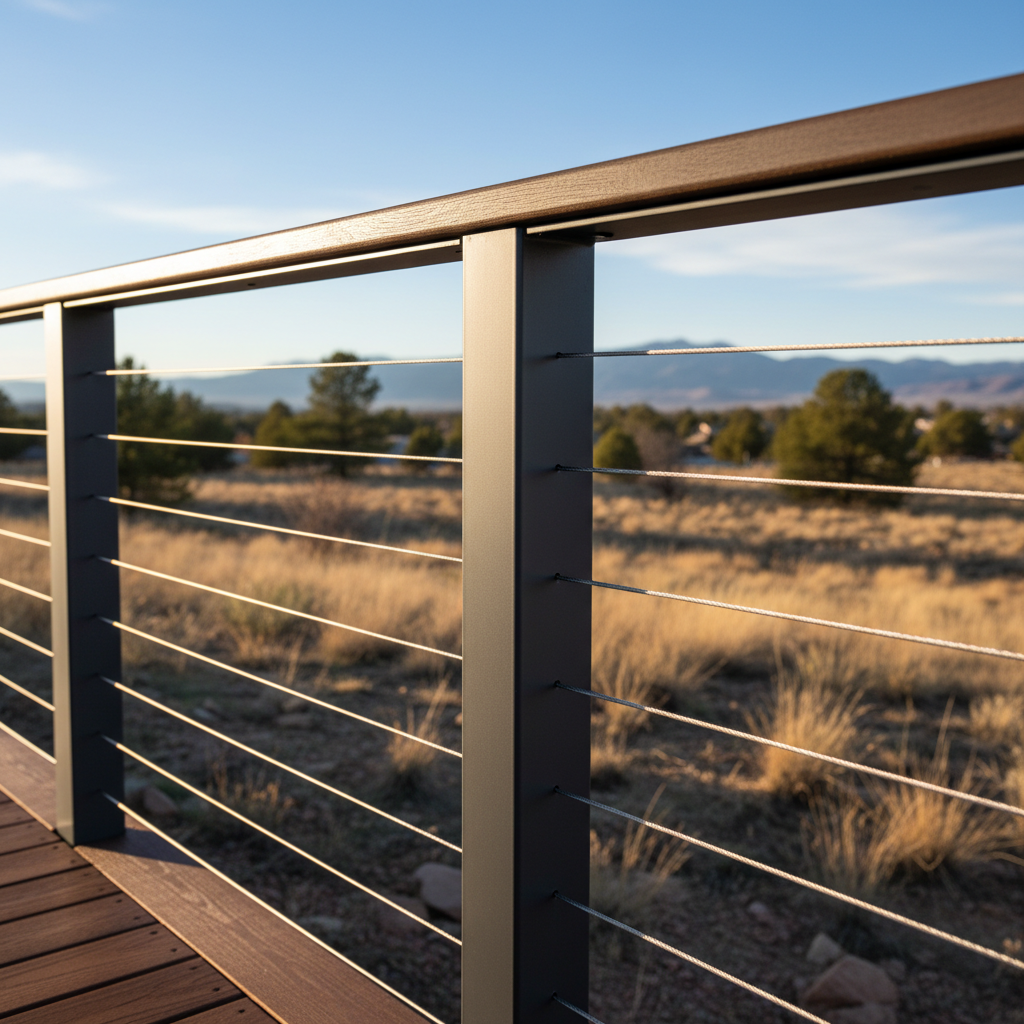
- Cable Railing: This is a modern, open look. Stainless steel cables run horizontally. It's durable, but it's more expensive and can be a bit trickier to install to ensure proper tension.
For our conditions, I often steer people towards composite or aluminum. They just hold up better with less hassle over the years.
Can I install my own deck railing, or should I hire a professional?
Look, I'm all for DIY projects. If you're handy and you're just replacing an existing railing with a similar system, you might be able to tackle it. But here's the deal: deck railings are a critical safety component. They have to meet specific building codes for height, baluster spacing, post attachment, and structural integrity. If you mess up, someone could get hurt, and you could be liable. Plus, getting it perfectly plumb, level, and secure can be trickier than it looks, especially with different materials. I've seen plenty of wobbly, unsafe railings that homeowners tried to put up themselves. For peace of mind and to ensure it meets all Pueblo codes, hiring a professional like us at Skyline Decks Pueblo is usually the smarter move. We know the codes inside and out, and we have the right tools and experience to get it done right the first time.
What about handrails on stairs? Do those have different rules?
Yep, they sure do. If your deck has three or more risers (steps), you'll need a handrail. This is separate from the guardrail around the deck itself. Handrails need to be graspable – meaning you can wrap your hand around them – and typically installed between 34 and 38 inches above the stair nosing (the edge of the step). They also need to extend a bit beyond the top and bottom steps. Again, it's all about safety and making sure people can navigate your stairs securely, especially when it's icy out or if someone needs a little extra support.
Are there any specific Pueblo building codes or permits I need to know about for railings?
Absolutely. While the general codes (like the 36-inch height and 4-inch sphere rule) are pretty standard across the country, local jurisdictions can have specific interpretations or additional requirements. In Pueblo, you'll definitely need a permit for any new deck construction or significant modifications, and that permit process will involve checking your railing plans against current building codes. The city's building department is pretty good about providing information, but it can be a lot to sift through. We handle all the permitting and code compliance when we build or upgrade decks, so you don't have to worry about missing something crucial. It's not just about getting the job done; it's about getting it done legally and safely for your home in our unique climate, whether you're up in the Belmont area or down near the Arkansas River.