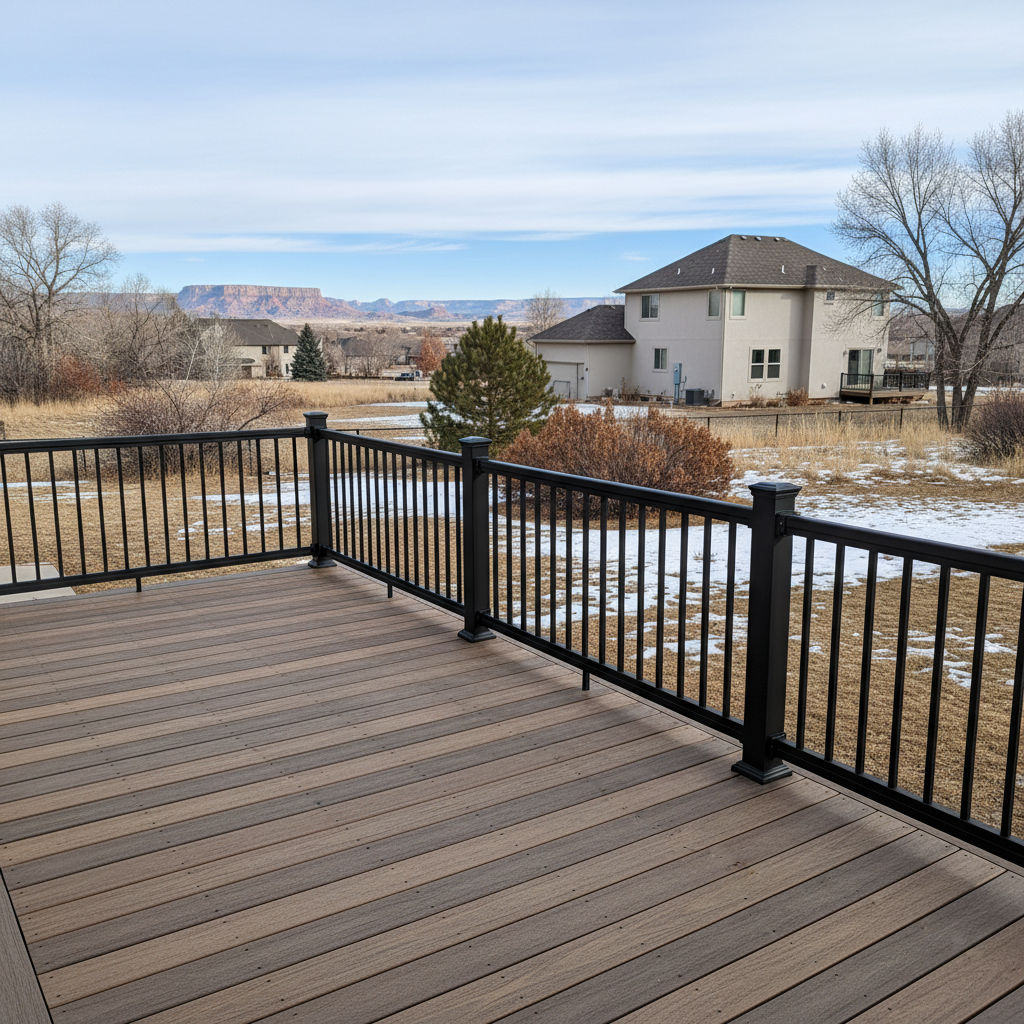
You've got a great deck, maybe you're even building one, and now it's time to think about railings. It's not just about safety or looks; when you install them and how you care for them makes a big difference, especially here in Pueblo.
When's the Best Time to Install Deck Railings in Pueblo?
Honestly, you can install deck railings pretty much any time of year, but some seasons are definitely better than others for both the crew doing the work and the materials themselves. Here's what I've seen over the years.
Spring is usually fantastic. The ground's thawed out, the intense summer heat hasn't kicked in yet, and we're not dealing with frozen fingers. The mild temperatures are good for everything from setting posts to applying finishes. Plus, if you get it done in spring, you're all set to enjoy your deck all summer long.
Early fall is another sweet spot. The scorching days of July and August are behind us, but we haven't hit the really cold snaps or snow yet. The air is drier, which is great for things like powder-coating on metal railings or letting wood sealers cure properly. You avoid the afternoon thunderstorms we sometimes get in late summer, too, which can really slow down a job.
Summer can work, but it's often a bit of a grind. Those 90-degree-plus days we get here in Pueblo, especially out on a deck that's baking in the sun, are tough on everyone. Materials can get hot to the touch, and it can affect how some adhesives or sealants perform if they cure too fast. If we're installing metal railings, those things can get seriously hot. We'll still get the job done, but it might mean earlier starts or working around the hottest part of the day.
Winter? We can do it, but it's not ideal. If you're looking at a full deck build with railings, we're dealing with frozen ground, which makes digging post holes a lot harder and slower. For just railings on an existing deck, the cold weather means slower curing times for any adhesives or paints, and it's just plain uncomfortable for the crew. We also have to watch out for snow and ice, which can make the work area slippery and unsafe. If you're in a pinch, we'll make it happen, but it's not our first recommendation.
Weather Conditions That Affect Railing Installation
Beyond just the season, specific weather conditions can really throw a wrench into things or, conversely, make the job go smoothly.
- Temperature: As I mentioned, extreme heat or cold isn't great. Most products, especially sealants, paints, and composite materials, have an optimal temperature range for installation. Too cold, and things don't cure right; too hot, and they can flash dry or become difficult to work with.
- Moisture: Rain, snow, or even high humidity can be a problem. We can't stain or paint in the rain, obviously. If you're installing wood railings, you don't want the wood to be soaking wet when you put it in or when you apply a finish. Even for metal or composite, a wet surface can be slippery and unsafe for installation.
- Wind: Pueblo gets some serious wind, especially during certain times of the year. High winds can make working on a deck tricky, especially if we're handling long pieces of railing or trying to keep dust down while cutting. It's a safety concern and can also make precise work harder.
- Sun Exposure: Direct, intense sunlight can heat up materials quickly, as I said. It can also affect how finishes dry and cure. We're always mindful of the sun's position throughout the day.
We're always checking the forecast and planning around these conditions. Sometimes it means rescheduling, but it's always for the sake of a quality, lasting installation.
Protecting Your Railing Investment Year-Round
Once your railings are up, you want them to last, right? Here's how to keep them looking good and performing safely, no matter what Pueblo throws at them.
- Regular Cleaning: This is a big one. Dirt, dust, pollen, and even bird droppings can accumulate. A simple wash with mild soap and water a couple of times a year does wonders. For composite or vinyl railings, this is usually all you need. For metal, it helps prevent corrosion.
- Inspect for Damage: After a big windstorm or a heavy snow, take a walk around your deck. Look for loose screws, wobbling posts, or any signs of wear. Catching small issues early prevents them from becoming big, expensive problems.
- Wood Railings Need Love: If you've got wood railings, they'll need more attention. That dry Pueblo air can really suck the moisture out of wood, leading to cracking and splitting. Plan on re-sealing or re-staining every 1-3 years, depending on the product and sun exposure. Pay special attention to the top rail, as it takes the brunt of the sun and weather.
- Mind the Snow: When we get snow, try to clear it off your deck and railings. Heavy, wet snow can put a lot of stress on railings, especially if it piles up. Don't let it sit there and melt against the wood or metal, either, as that can lead to moisture damage or rust.
- Don't Forget the Hardware: Bolts, screws, and connectors are just as important as the railing material itself. Check them periodically to make sure they're tight and free of rust. If you see rust on metal hardware, address it quickly.
Taking a little time each season to check things over can save you a lot of headaches down the road. We build these railings to last, but they're not maintenance-free. If you've got questions about your specific railing type or notice something that doesn't look right, don't hesitate to give us a call at Skyline Decks Pueblo. We're here to help keep your deck safe and beautiful for years to come.