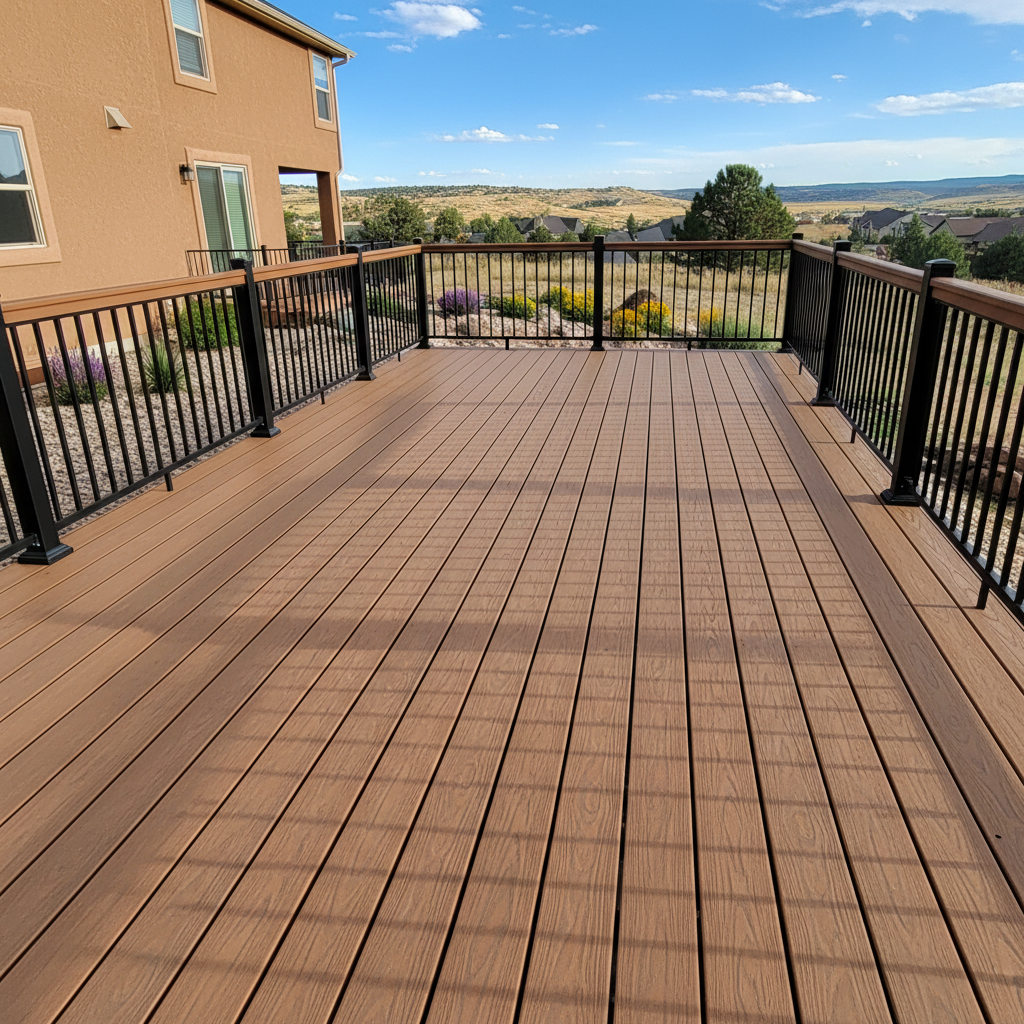
Your Trex Deck Isn't Maintenance-Free, But It's Close
Let's get one thing straight: composite decks, like the ones we build with Trex, aren't truly maintenance-free. Anyone who tells you that is selling you a bill of goods. What they are, though, is incredibly low-maintenance compared to wood, especially here in Pueblo where the sun bakes everything and our freeze-thaw cycles can be brutal. You still gotta do a little work to keep that investment looking good and lasting for decades. I've seen too many folks neglect their composite decks, thinking they're bulletproof, only to find them looking dingy and worn out faster than they should.
So, what's the real deal with keeping your Trex deck in top shape? It's mostly common sense, but with a few specific things you need to know for our Colorado climate.
Regular Maintenance: Keep It Clean
The biggest part of regular maintenance for a Trex deck is just keeping it clean. Sounds simple, right? It is, but consistency is key. You're mainly fighting against dirt, pollen, leaves, and the occasional spill.
- Sweep it off: A good sweep with a soft-bristle broom once a week or so, especially after windy days, prevents grime from building up. Those dust storms we get around here, especially on the south side of town, can leave a real mess.
- Wash it down: For a deeper clean, grab a hose and some soapy water. A mild dish soap works great. Scrub with a soft brush, always going with the grain of the composite boards. Then rinse thoroughly. You don't want soap residue drying on there.
- Pressure washer caution: You can use a pressure washer, but be careful! Set it to no more than 1,500 PSI and use a fan tip. Hold it at least 8-10 inches from the deck surface. Too much pressure or a concentrated stream can damage the composite material, leaving permanent marks. Trust me, I've seen it happen.
- Tackle stains quickly: Grease, oil, wine, or food spills should be cleaned up as soon as possible. Most household cleaners can handle these, but always test in an inconspicuous spot first. Trex has specific cleaning recommendations for different types of stains on their website, which is a good resource.
Extending the Life of Your Deck: Beyond Cleaning
Beyond the regular wash-downs, a few habits can really add years to your deck's appearance and structural integrity.
- Furniture pads: Put felt or rubber pads under all your deck furniture legs. Dragging chairs around can scratch the surface over time.
- Grill mats: If you've got a grill on your deck (and who doesn't in Pueblo?), put a protective mat underneath it. Grease splatters are tough to get out, and embers can leave scorch marks.
- Snow removal: When it snows, use a plastic shovel, not a metal one. Metal can scratch the surface. Don't use rock salt or calcium chloride-based ice melts, as these can damage the composite. Sand or a composite-safe ice melt is a better choice.
- Trim nearby plants: Keep trees and shrubs trimmed back from the deck. Leaves and debris can accumulate, trap moisture, and lead to mildew or staining. Plus, you don't want branches scraping the deck in a high wind.
Warning Signs: What to Look For
Even with good maintenance, things can pop up. Knowing what to look for can save you a headache and a bigger repair bill later.
- Persistent stains: If you've got stains that just won't come out after a good cleaning, it might be more than just surface grime.
- Fading or discoloration: While Trex is designed to resist fading, extreme sun exposure over many years can cause some slight changes. If it's uneven or significant, it could indicate an issue.
- Loose railings or steps: This is a big one for safety. If anything feels wobbly, don't ignore it.
- Pooling water: Your deck should drain properly. If you see water pooling in certain spots after rain, it could mean a structural issue or improper installation causing a sag. This is especially important with our heavy spring rains and snowmelt.
- Mold or mildew that won't go away: While surface mold can be cleaned, persistent or recurring patches could point to a moisture problem underneath the deck or inadequate ventilation.
When to Call a Professional
You're handy, I get it. Most homeowners are. But there are times when it's just smarter, and safer, to call in someone who does this for a living. That's where Skyline Decks Pueblo comes in.
- Structural concerns: Any sign of rot in the underlying frame (if it's wood), significant sagging, or widespread looseness in the deck structure. This isn't just cosmetic; it's a safety hazard.
- Major repairs: If you have a damaged board that needs replacing, or a section of railing that's broken beyond a simple fix, a pro can ensure it's done correctly and matches your existing deck.
- Persistent drainage issues: If you've got water pooling consistently, it might be an issue with the deck's slope or the ground underneath. We can assess and fix that.
- Warranty questions: Sometimes a problem might be covered by your Trex warranty. We can help you understand if your issue qualifies and assist with the process.
- Annual inspection: Even if you're good about maintenance, a professional annual inspection can catch small problems before they become big ones. We can spot things you might miss.
Your Trex deck is a fantastic addition to your Pueblo home, built to withstand our crazy weather. A little bit of attention goes a long way in keeping it beautiful and safe for years to come. Don't let those small issues turn into big headaches.