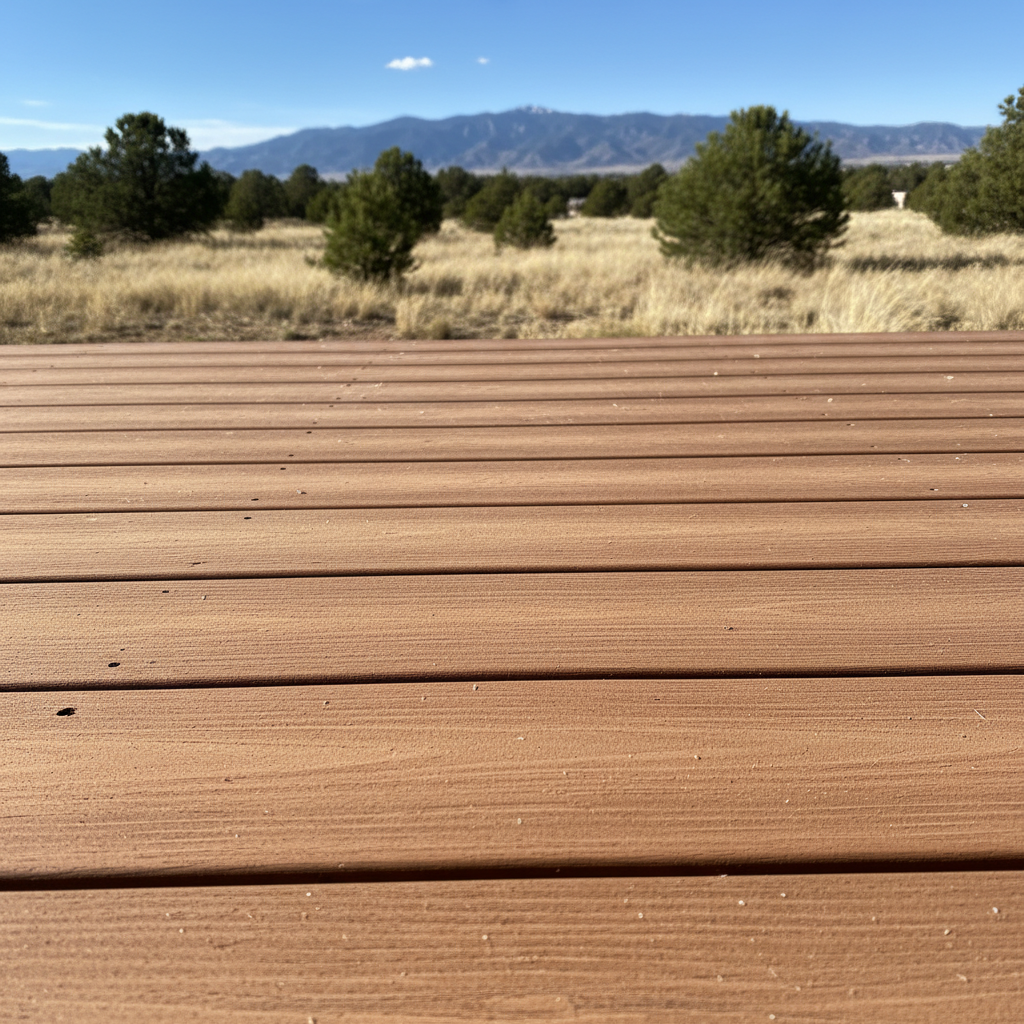
You're probably wondering if a Trex deck is right for your Pueblo home. I get it. Homeowners around here have a lot of questions, and frankly, some of the stuff you read online is just marketing fluff. I'm a local contractor, I've been building decks in this town for years, and I've installed plenty of Trex. So, let's cut to the chase and answer some of the most common, and sometimes toughest, questions I get about Trex decks.
How much does a Trex deck REALLY cost compared to wood?
This is always the first question, and it's a good one. Upfront, Trex is going to cost more than a traditional pressure-treated wood deck. There's no getting around that. You're looking at a higher material cost per linear foot for the decking itself, plus the specialized fasteners and sometimes a bit more labor for installation due to the different handling requirements. For a typical 200-300 square foot deck, you might see Trex materials being 1.5 to 2 times the cost of pressure-treated lumber.
However, that's just the initial sticker price. When you factor in the long-term, Trex often comes out ahead. Wood decks need regular staining or sealing every couple of years, sometimes more frequently with our intense sun and dry climate here in Pueblo. That's not just the cost of stain; it's your time, brushes, cleaners, and the effort of doing it. Trex doesn't need any of that. So, over 10-15 years, the total cost of ownership for a Trex deck can actually be lower. It's an investment, for sure, but one that pays off in reduced maintenance and longevity.
Does Trex get too hot in the Pueblo sun?
Yeah, it can get warm. Let's be honest, any dark-colored surface, whether it's wood, concrete, or composite, is going to absorb heat when it's 95 degrees and sunny like it often is here in July. Trex is no exception. Lighter colors of Trex will stay cooler than darker ones, just like a light-colored car stays cooler than a black one. If you pick a dark gray or brown Trex board, it's going to get hot enough to be uncomfortable on bare feet during peak summer sun. You'll want to wear sandals or keep a rug down in high-traffic areas.
Compared to wood, some people find composite decks retain heat a bit more, but it really depends on the specific product and color. I always tell folks to consider their sun exposure and color choice carefully. If your deck is going to be in full, direct sun all day, and you plan on walking barefoot a lot, leaning towards a lighter Trex color is a smart move. Or, plan for some shade structures.
What kind of maintenance does Trex actually need?
This is where Trex really shines for most homeowners. It's often marketed as